Disaster Divide
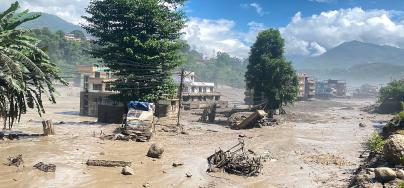
Oxfam’s new report reveals how the emissions of the richest polluters fuel climate chaos, how inequality makes disasters more deadly, and how some of the wealthiest still profit while others struggle to rebuild their lives.
Oxfam’s new report reveals how the emissions of the richest polluters fuel climate chaos, how inequality makes disasters more deadly, and how some of the wealthiest still profit while others struggle to rebuild their lives.
Oxfam is a global organization with affiliates in 20 countries. To see the information that is most relevant for you, visit your local Oxfam.
Oxfam is a global confederation of over 20 independent member organizations, known as affiliates, working together in over 70 countries to challenge inequality and injustice in partnership with communities. Each affiliate is rooted in its own context and contributes to our shared mission through locally led action and collective decision-making.
This website reflects the work of Oxfam International and the confederation as a whole. Affiliates host their own websites and produce their own Annual Reports, which you can access via the dropdown menu below.