What inspired you to become a Roving Teacher Trainer, and what motivates you to continue supporting teachers across different schools?
What drew me to this role was the opportunity to share my knowledge, skills, and experience with other teachers. Teaching is a profession that shapes lives, and I wanted to contribute to strengthening it by helping colleagues improve their practice.
What keeps me going is seeing teachers grow in confidence and try new approaches in their classrooms. Knowing that the support I provide can help both teachers and learners makes the work worthwhile. I also think about long term impact teachers can make on future building of South Sudan.
In your experience, what are some of the biggest challenges teachers face in the classroom, and how does your work help them overcome these challenges?
Teachers face many challenges every day. Overcrowded classrooms are common, and many schools lack adequate teaching and learning materials. In some cases, lessons are conducted in temporary or open-air learning spaces.
There is also a need for more support for children with disabilities. Many teachers have not had the opportunity to learn sign language or braille, limiting their ability to respond to the needs of learners living with disabilities like hearing or visual impairments. In addition, many volunteer teachers carry significant responsibilities without formal training.
My role is to help teachers develop practical skills they can use in these contexts to make learning inclusive and accessible to every learner. Through training and mentoring, we look at ways to make lessons more engaging, improve classroom management, and use locally available materials to support learning.
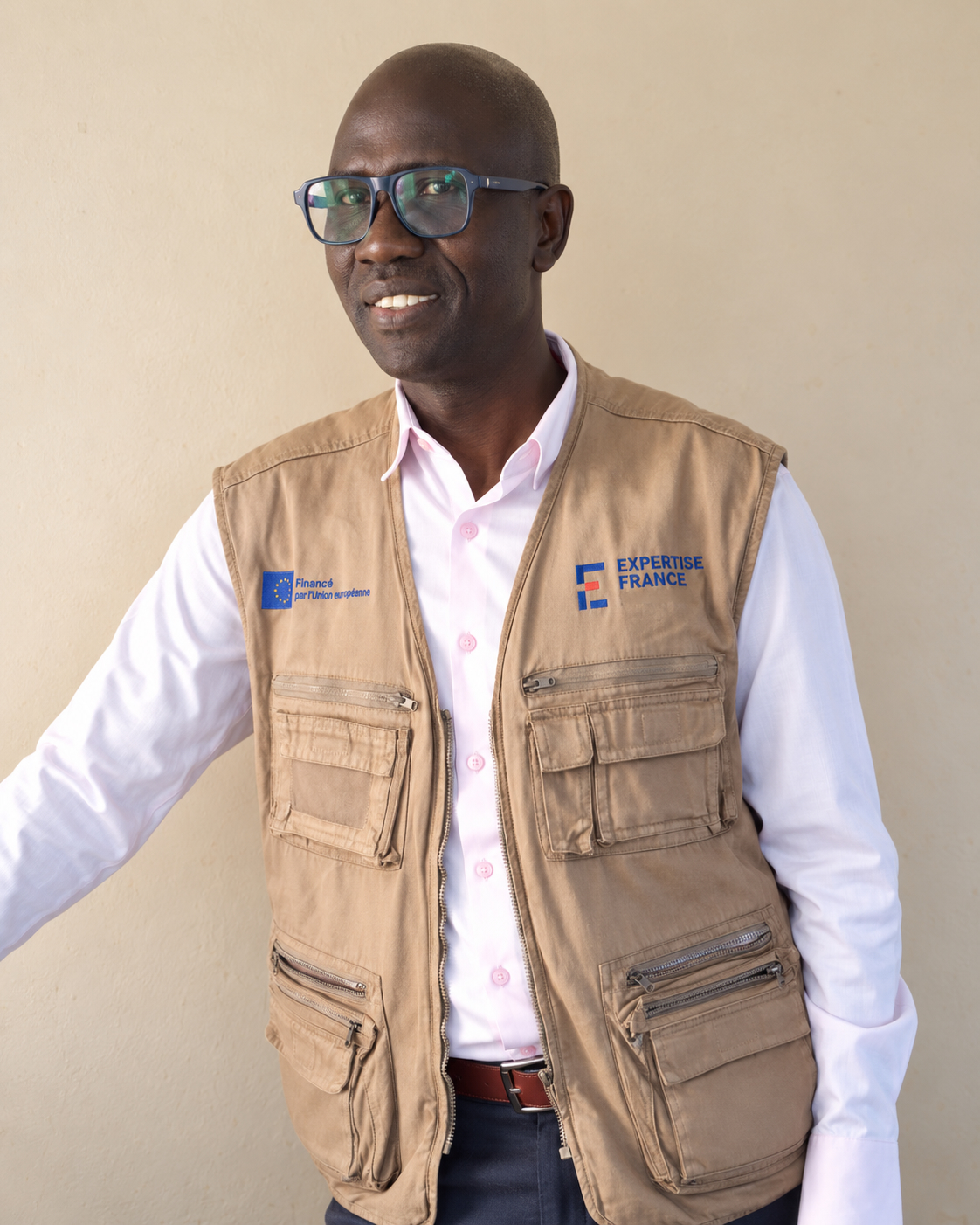
Nyamara Patrick Odego. As a Roving Teacher Trainer, he supports teachers with practical skills, classroom mentoring, and continuous professional development, helping ensure that more children have access to quality learning opportunities. (Photo: Manguak Majoung/Oxfam)
Can you share a moment when you saw a teacher apply a new skill or approach after training, and the impact it had on learners?
One of the encouraging things I have seen is teachers adopting more participatory methods after attending training through Oxfam's Regional Teachers Initiative Africa (RTIA) project. Instead of relying mainly on lecture-style teaching, they began involving learners more actively through group work, classroom discussions, individual exercises at the chalkboard, and learning aids such as flashcards made from local materials.
The difference is noticeable. Learners become more engaged in lessons and more willing to participate. It shows that even simple changes in teaching practice can make a meaningful difference in the classroom.
World Teachers' Day celebrates the teaching profession. What message would you like to share with teachers across South Sudan who continue to educate children despite many challenges?
I would like to thank teachers across South Sudan for their commitment and perseverance. Despite limited resources and difficult working conditions, they continue to support children's learning every day.
My message is to keep investing in your own professional growth. Learning does not stop when teacher training ends. Whether through formal professional development, mentorship, self-study, or learning from peers, there are always opportunities to strengthen our practices.
The demands on education are changing, and teachers need access to new knowledge and skills to respond to those changes. Every effort made to improve teaching ultimately benefits learners and the whole country in long run.
What changes would you like to see to better support teachers and strengthen the quality of education in South Sudan?
I would like to see more qualified, confident and motivated teachers in schools, with the support they need to do their jobs effectively. Teachers should be recognized for the important contribution they make to society and be provided with opportunities for professional growth.
I also hope to see improvements in school infrastructure. Many schools need adequate classrooms, furniture, staff rooms, libraries, laboratories, and access to technology. Reliable energy solutions, including solar power, could help expand access to digital learning resources in many areas.
Most importantly, I would like to see schools where children enroll, stay, and complete their education, regardless of whether they are girls or boys. Quality education depends not only on good teaching but also on creating an environment where every child can learn and succeed.
Why is continuous professional development and mentorship important for teachers?
Education is constantly evolving. New approaches, technologies, and curricula require teachers to continue learning throughout their careers.
Continuous professional development and mentorship help teachers strengthen their knowledge, refine their teaching methods, and find effective ways to respond to the different needs of learners. They also create opportunities for teachers to learn from one another and reflect on their own practice.
When teachers are supported to keep learning, they are better equipped to help learners succeed.